

Setting Up Pocket Money Rules by Age
Clear frameworks for deciding how much pocket money kids should get, how often to give it, and what it should cover at different ages.
Read GuideFrom lai see traditions to Octopus card awareness — practical money lessons that grow with your child

Kids don’t just learn money skills in school. They learn them at home, through experience, and by watching how you handle finances.
We’re here to help you make those everyday moments count. Whether it’s explaining why your child can’t get every toy at the mall, discussing what happens when their Octopus card runs out, or showing them where lai see money actually comes from — these conversations build real understanding.
The goal isn’t to create little accountants. It’s to raise kids who understand the difference between needs and wants, who feel good about saving, and who make thoughtful choices about money as they grow.
Piggy banks and envelope systems kids can actually see and touch
Lessons that grow from primary school through secondary
Real conversations during everyday shopping trips
Practical approaches that actually work with Hong Kong families
Decide how much, how often, and what it covers at each age. Primary school kids need different structures than teenagers. Having clear rules removes confusion and teaches consistency.
Whether it’s a piggy bank on the shelf or colored envelopes labeled “wants” and “needs,” kids need to see their money and track progress toward goals. Out of sight means out of mind.
Supermarket runs and mall visits aren’t just errands — they’re lessons. Talk about why you’re buying certain things, compare prices, and help kids recognize the difference between impulse and necessity.
In Hong Kong, Octopus cards are everywhere. Use them as a teaching tool. When the balance runs low, discuss what it means and why it matters to plan spending.
Lai see isn’t just free money — it’s a teaching opportunity. Help kids understand the cultural significance, set savings goals for it, and feel ownership over the money they receive.
Primary school conversations look different from secondary school ones. What works for a 7-year-old won’t work for a 15-year-old. Keep evolving your approach with their age and understanding.
What kids can understand at each stage
Coins and notes are real money. Piggy banks work. Saving takes time.
Money comes from work. Choices have consequences. Saving for goals feels achievable.
Peer pressure affects spending. Long-term goals matter. Money isn’t infinite.
Real independence. Credit basics. Planning for the future starts now.
Start early. Money conversations aren’t too difficult for young kids — they’re actually easier with them than with teenagers.
Be consistent. Rules only work if you stick to them. Your kids notice when you bend your own pocket money rules.
Make it real. Avoid abstract lessons. Use what’s in front of you — the grocery store, their Octopus card, the coins in their hand.
Don’t judge. If your child makes a bad money choice, that’s a teaching moment, not a failure. You probably made worse ones at their age.
Practical guides from the category “Teaching Children About Money in Hong Kong”
Clear frameworks for deciding how much pocket money kids should get, how often to give it, and what it should cover at different ages.
Read Guide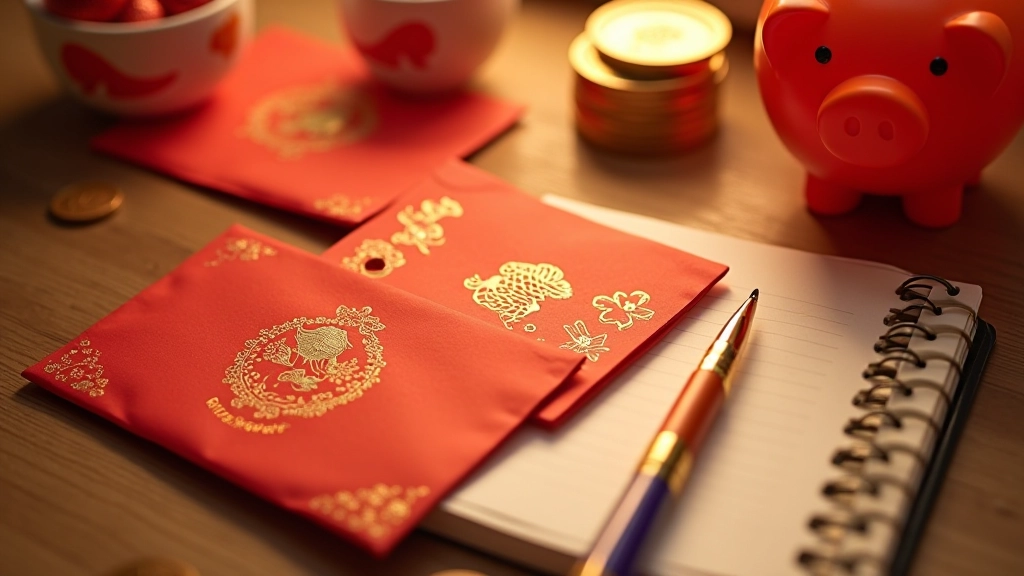
How to use Hong Kong’s lai see tradition as a teaching moment for saving, goal-setting, and understanding where money comes from.
Read Guide
Practical conversations you can have with kids while grocery shopping or at the mall to teach the difference between necessities and desires.
Read GuideWe’ve created resources to help you teach your kids about money in ways that actually stick. Whether you’re just starting or looking to deepen these conversations as your child grows, there’s something here for you.
Answers to help you get started
Most kids understand basic money concepts around age 5 or 6. Start small — even a few dollars a week teaches the fundamentals. Adjust the amount and rules as they get older and demonstrate understanding.
There’s no single right answer. Some families tie it to responsibilities, others give it freely and teach budgeting separately. Both work — it depends on what lessons you want to emphasize. The key is being consistent with whatever you choose.
Use it as a teaching opportunity. Help your child set a goal for it, maybe split it between saving and spending. This builds ownership and makes the tradition meaningful beyond just getting free money.
That’s normal. Young kids are impulsive. Don’t bail them out — let natural consequences teach the lesson. Next time they have pocket money, they might think differently about spending it all at once.
When your child uses an Octopus card, occasionally check the balance together. Talk about what happens when it runs out and why planning matters. It makes abstract money concepts concrete.
Definitely. Teens can handle more independence and complexity. Consider giving them a larger amount less frequently, letting them make more of their own spending decisions, and discussing savings goals that matter to them.