Common Questions About Teaching Kids Money in Hong Kong
Get answers to questions parents ask about pocket money, lai see, savings goals, and building money awareness from primary through secondary school.
Most Hong Kong parents start with HK$10–20 weekly for ages 6–8, HK$30–50 for ages 9–11, and HK$100–200 for secondary school students. The exact amount depends on your family’s budget and what you expect them to buy with it—whether that’s just snacks and toys, or if they’re covering school supplies and transport too.
Instead of letting it disappear, help your child decide: how much will they spend now, and how much will they save toward a goal they’ve chosen? Sit down with them after Chinese New Year and discuss what they want to save for—whether it’s a game, a book, or building their emergency fund. This turns lai see from “free money that gets forgotten” into a real savings opportunity.
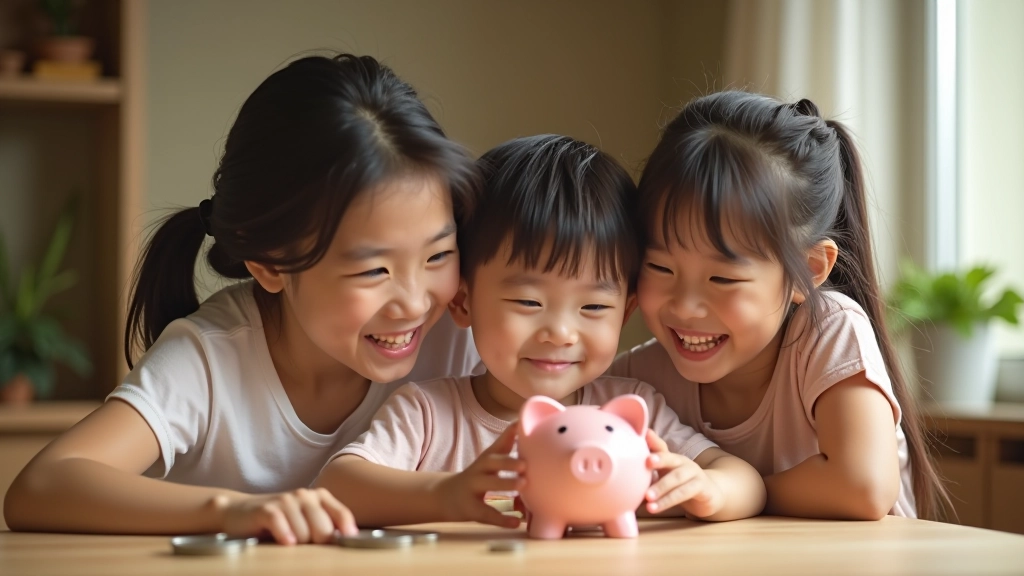
Piggy banks are great for younger kids (6–9) because they’re tactile and fun—they can physically see and hear money going in. For older children, envelopes labeled with different goals (e.g., “Summer holiday fund,” “New headphones”) work better because they can track multiple goals at once and feel more grown-up. Some families combine both: a piggy bank for “I’m not sure yet” money, and envelopes for specific targets.
Before you go shopping, ask them to point out things they want and help them sort each into two piles: “I need this” (food, shoes, school things) and “I want this” (toys, snacks, accessories). Then let them spend their pocket money only on the “wants” while you cover the “needs.” Over time, they’ll start doing this sorting in their head automatically, which is the real skill you’re building.
Give your child their own Octopus card (or a photo of the balance) and check it together once a week—they’ll start noticing how quickly snacks at convenience stores add up. It’s invisible money, so seeing a specific number drop from HK$100 to HK$60 in a week is a real wake-up call. Secondary school students especially benefit because they’re using it daily for transport and food.
Absolutely. Primary school kids learn through physical objects (piggy banks, coins, envelopes) and immediate rewards. Secondary students are ready for longer-term goals, simple tracking apps, and conversations about part-time jobs or earning extra money. By Form 4–5, you can introduce ideas like saving for university, understanding credit, and the real cost of things they want. The rules stay consistent, but the complexity grows with them.
Still have questions?
Our team at Piggy Wise is here to help you create a pocket money plan that works for your family and your child’s age. Get in touch to discuss your specific situation.
Contact us