
Setting Up Pocket Money Rules by Age
Clear frameworks for deciding how much pocket money kids should get, how often to give it, and what it should cover at different ages.
Read MorePractical guides for introducing pocket money, lai see traditions, and smart spending habits at every age
Explore practical approaches to money education adapted for different stages of childhood
Clear frameworks for deciding how much pocket money kids should get, how often to give it, and what it should cover at different ages.
Read More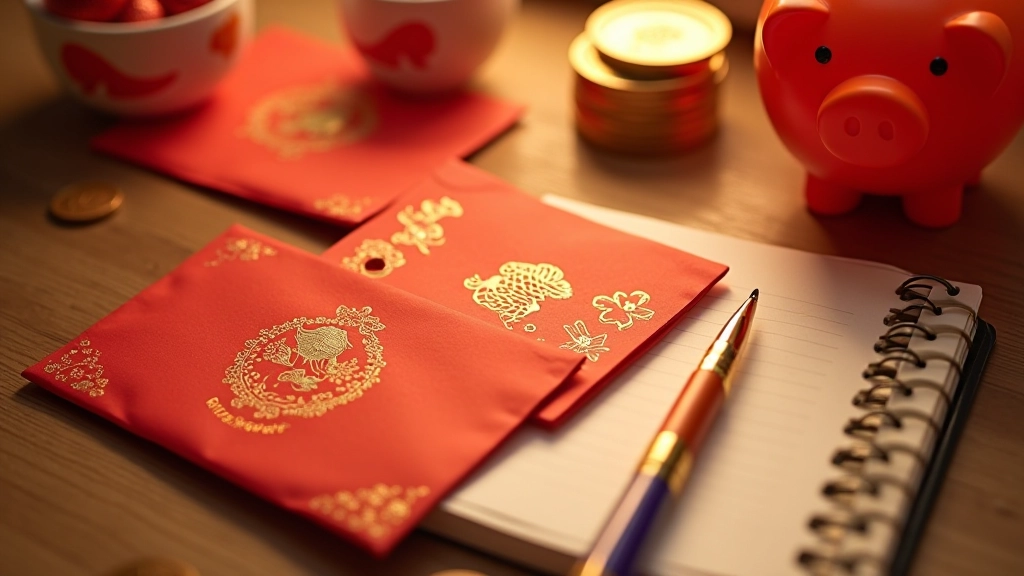
How to use Hong Kong’s lai see tradition as a teaching moment for saving, goal-setting, and understanding where money comes from.
Read More
Practical conversations you can have with kids while grocery shopping or at the mall to teach the difference between necessities and desires.
Read More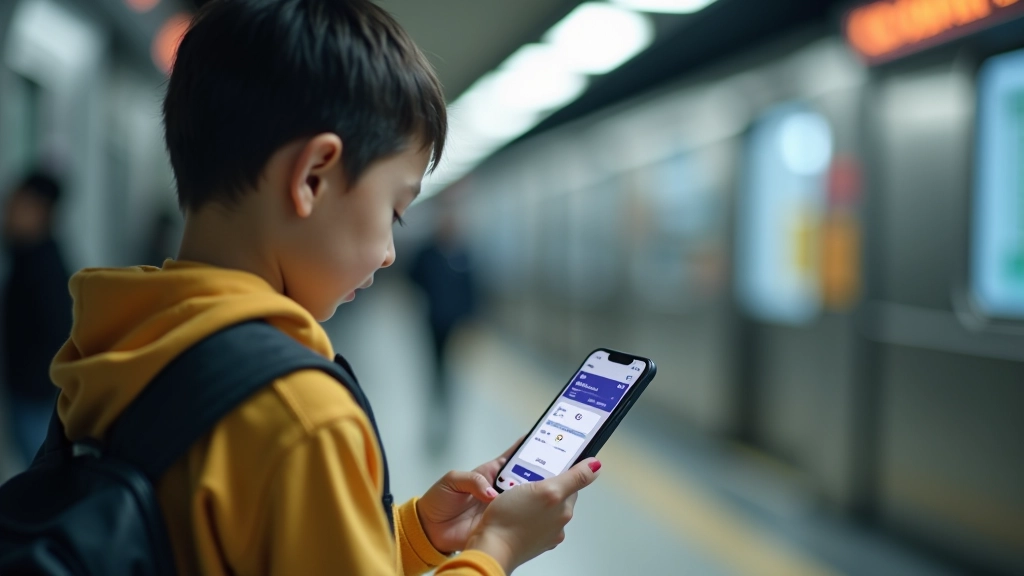
Using Hong Kong’s Octopus card as a real-world lesson in spending awareness, balance management, and understanding where money actually goes.
Read MoreKey insights about teaching financial awareness to Hong Kong children
Ages 6-12 are the critical years for establishing basic money concepts. Kids who learn early develop better spending habits throughout life.
Hands-on experience with actual pocket money teaches more than lectures. Physical envelopes and piggy banks make money tangible for younger kids.
By secondary school, teens can manage Octopus cards, track spending, and understand consequences. It’s preparation for adult financial decisions.
Lai see traditions offer a unique opportunity to teach savings and gratitude. Hong Kong’s unique context makes money lessons more meaningful and relatable.